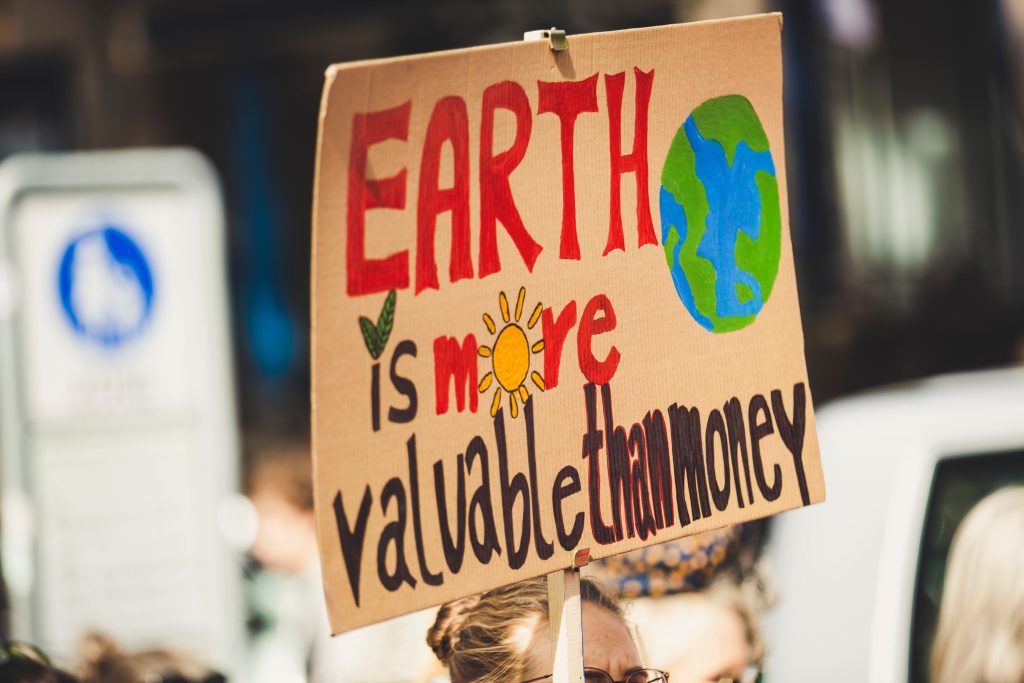
Lessons Inside the Classroom Happen Within the Learning Environment Itself
When parents think about their child’s education, whether their child is younger or older, they often think about the lessons taught inside the classroom.
They think about reading, writing, mathematics, science, history, and the many skills children need to develop as they grow.
These lessons matter.
But children are also learning from something deeper:
The environment around them.
They are learning from the messages they see, the values they encounter, and the choices that are modeled for them every day.
This is sometimes called the hidden curriculum—the lessons children absorb not only from textbooks and teachers, but from the culture and surroundings in which they learn.
And it raises an important question:
Are we helping children become thoughtful stewards of the Earth, or are we unintentionally teaching them to become lifelong consumers?
The Growing Presence of Corporate Influence in Education
Schools are facing significant challenges today.
Many educators work with limited budgets, increasing responsibilities, and a growing need for resources that support student learning.
Because of these pressures, some schools and educational programs have turned to outside partnerships, sponsorships, donations, and corporate-supported educational materials.
These partnerships may provide valuable resources, technology, programs, and learning opportunities that schools might otherwise struggle to access.
Partnerships in the Classroom Raise Some Important Questions
The intention is often positive.
Teachers want to help their students.
Schools want to provide opportunities.
Corporations may want to support communities.
However, these relationships also raise important questions:
What messages are children receiving along with these resources?
Are commercial interests becoming part of the educational experience?
Are children being encouraged to think critically about the products and messages they encounter?
Or are economic biases influencing what our kids learn?
These are important conversations for parents, educators, and communities to have.
Why Corporate Partnerships Enter the Classroom
It is important to recognize that most teachers enter education because they care deeply about children, including teens and young adults.
They want to inspire curiosity.
They want to help students succeed.
They want to create meaningful learning experiences.
When teachers accept educational materials, resources, or programs provided through outside organizations, it is often because they are trying to meet the needs of their students.
The Larger Issues is Not Individual Teachers
The larger issue is the growing relationship between education and commercial interests in a society where marketing messages are already everywhere.
When schools lack adequate funding and resources, corporations may have opportunities to fill those gaps.
But whenever outside influences enter educational spaces, we must ask:
What values are being reinforced?
The Hidden Power of Branding Is Alive & Well
Children are highly impressionable.
Their identities, preferences, and beliefs are developing throughout childhood and adolescence.
Repeated exposure to logos, brand names, and commercial messages can influence how young people understand:
- success
- happiness
- belonging
- personal identity
- what they believe they need
A Corporate Logo on a School Material May Seem Harmless
A sponsored program may appear to be simply educational.
A branded message may feel like a small detail.
But repeated messages matter.
Children, teens, and young adults learn through repetition.
They learn through association.
They learn what adults and institutions repeatedly present as important.
The question is not whether children should know about products, businesses, or the economy.
The Question Is: Are we teaching children, teenagers and young adults how to think critically about the messages they receive?
Watch the Video version of this newsletter here:
https://www.youtube.com/@Eco-LearningLegacies
Listen to the Audio Podcast Version of this newsletter here:
The Consumer Mindset Versus the Steward Mindset
Our modern culture often encourages children and adults to measure well-being through acquisition.
What do we have?
What can we buy?
What can we own?
What products will make us happier, healthier, or more successful?
But there is another way of understanding our role in the world.
An Eco-Steward Asks Different Questions:
How does this choice affect my health?
How does this choice affect other people?
How does this choice affect the Earth?
Does this product support the kind of future I want to create?
Stewardship requires awareness.
It requires wisdom.
It requires understanding that every choice exists within a larger web of relationships.
The food we eat.
The products we purchase.
The companies we support.
The resources we consume.
All of these choices communicate something about the kind of world we wish to create.
Helping Children, Teens, and Young Adults Develop Discernment
The answer is not to shield children from every influence.
The world they enter will contain advertisements, brands, and competing messages.
The answer is to help children develop discernment.
Children can learn to ask thoughtful questions, such as:
Who created this?
Why was this created?
What values does this represent?
Who benefits from this choice?
Does this support human health and planetary health?
These questions do not create cynicism.
They create wisdom.
A child who learns to think critically becomes less vulnerable to manipulation and more capable of making choices aligned with their values.
Education for a Changing World
The challenges facing humanity today require more than academic knowledge.
They require wisdom.
Young people need opportunities to understand the relationships between:
- personal health and environmental health
- consumption and sustainability
- daily choices and planetary well-being
- human needs and Earth’s resources
This is why eco-lifestyle education is so important.
It helps individuals recognize that they are not separate from the natural world.
They are participants within it.
The goal is not to create children who reject modern life.
The goal is to create young people who can thoughtfully engage with the world around them.
Young people who understand that their choices matter.
Young people who recognize that success is not only measured by what we acquire, but also by what we contribute.
Raising a Generation of Eco-Conscious Stewards
Education is one of the most powerful tools we have for shaping the future.
The lessons children receive—both intentional and unintentional—help form the adults they become.
So perhaps one of the most important questions we can ask is:
What kind of relationship with the world do we want to cultivate in the next generation?
Do we want children to see themselves primarily as consumers?
Or do we want them to understand themselves as caretakers, participants, and stewards of a living Earth?
The future will require both knowledge and wisdom.
It will require young people who can think critically, care deeply, and make choices with awareness.
Because the greatest education we can provide is not simply teaching children how to succeed in the world.
It is teaching them how to care for the world they will inherit.
Gentle Reflection
What messages about success, health, and happiness are your children absorbing from the environments around them?
And how can you help the next generation develop the wisdom to choose what truly supports their well-being and the well-being of the Earth?
Candia Lea Cole
Founder Eco-Learning Legacies