Why Do Some People Become Sensitive to Chemicals While Others Don’t?
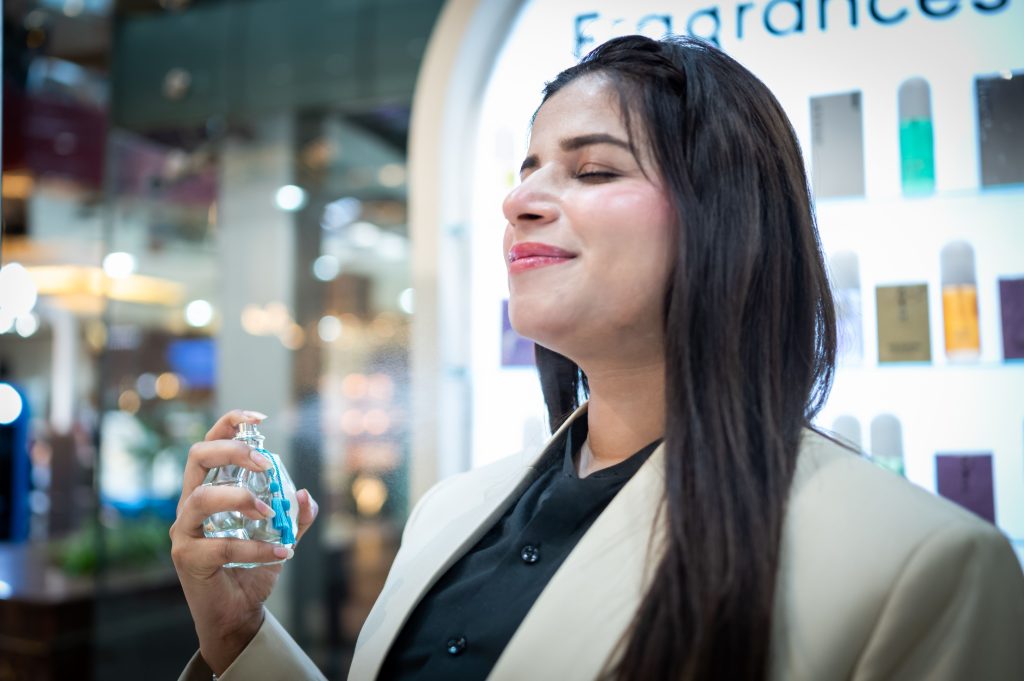
Have you ever watched someone walk through the perfume section of a department store without hesitation while another person quickly turns away, covers their nose, or begins feeling unwell?
Have you wondered why one family member can tolerate certain household cleaning products while another experiences headaches, fatigue, breathing difficulties, or other symptoms?
These differences can be confusing—but they remind us of an important truth:
Every Body Has a Unique Story.
Just as every plant grows differently depending on its soil, water, sunlight, and environment, every human body responds differently to the world around us. Understanding chemical sensitivity begins with understanding the beautiful complexity of the human body.
We Are All Exposed to Toxins—But We Do Not All Respond the Same Way
Every day, our bodies interact with the environment.
We breathe the air around us. We drink water. We eat food grown from the soil. We touch products, fabrics, and materials that surround us.
Our bodies are constantly processing information and responding to the world outside of us.
For many people, the body can adapt to occasional exposures without noticeable symptoms. For others, certain exposures may overwhelm the body’s ability to maintain balance.
This difference does not mean one person is stronger or weaker than another. It simply means that each person’s biological landscape is unique.
The Concept of Total Toxic Load
One important concept in environmental health is total toxic load.
Imagine placing drops of water into a cup.
One drop may not seem significant.
Ten drops may still fit comfortably.
But eventually, the cup becomes full.
The same concept can apply to our bodies. Throughout our lifetime, we may encounter many different environmental exposures:
- Air pollution
- Household chemicals
- Pesticides
- Heavy metals
- Mold-related exposures
- Synthetic fragrances
- Contaminants in food and water
- Chemicals found in personal care products
For some individuals, the body continues to maintain balance. For others, the combined burden of multiple exposures may contribute to symptoms and increased sensitivity.
Why Does Increased Sensitivity to Toxins Happen?
Scientists continue to study why certain individuals develop greater sensitivity to environmental chemicals. Several factors may influence a person’s response.
Genetics
Our genes influence many aspects of our biology, including how efficiently our bodies process certain substances. Some people naturally have stronger or weaker pathways involved in breaking down and eliminating various compounds.
Early-Life Exposures
The developing body is especially sensitive during pregnancy, infancy, and childhood. Environmental influences during these important stages may affect how the body responds later in life.
Nutrition and Body Reserves
The body requires nutrients to support its natural protective systems. A diet lacking essential vitamins, minerals, antioxidants, and other supportive nutrients may make it more difficult for the body to respond to challenges.
Gut Health
The digestive system plays a remarkable role in overall wellness. The gut microbiome communicates with many systems throughout the body, including the immune system. Supporting a healthy gut environment through nourishing foods and healthy lifestyle choices is an important part of whole-body wellness.
Immune System Balance
The immune system is designed to protect us. However, when it becomes repeatedly challenged, some individuals may experience increased reactions to environmental triggers.
Stress and Lifestyle Factors
Chronic stress, poor sleep, emotional strain, and lack of restorative time in nature can influence the body’s ability to maintain balance. The body does not experience life events separately. Everything is connected.
Chemical Sensitivity Is Often Invisible
One of the greatest challenges faced by people with environmental sensitivities is that their struggles may not be visible. A person may look completely healthy while experiencing significant discomfort.
Someone who becomes ill after exposure to toxins of any kind is not being “difficult” or “overly sensitive.” Their body is simply be communicating that something in their environment is causing them to feel stress.
Common symptoms reported by chemically sensitive individuals may include:
- Headaches
- Fatigue
- Brain fog
- Difficulty concentrating
- Dizziness
- Respiratory irritation
- Sinus problems
- Skin reactions
- Digestive issues
- Sleep disturbances
- Feeling unwell after exposure to fragrances or chemicals
Because these symptoms can overlap with many other health conditions, identifying environmental triggers can be complex.
Compassion Is Part of Healing Environmental Illness
Perhaps one of the most important lessons we can learn is compassion.
Someone who becomes ill after exposure to a fragrance, cleaning product, moldy building, or chemical odor is not simply being “too sensitive.”
Their body may be communicating that something in their environment is creating stress.
At the same time, environmental awareness benefits everyone—not only those who experience noticeable sensitivities.
Cleaner air, healthier food systems, safer products, and less chemical pollution create a healthier world for all living beings.
Supporting the Body Through an Eco-Intelligent Lifestyle
While every person’s journey is unique, many people find value in reducing unnecessary exposures and supporting the body’s natural resilience.
An eco-intelligent lifestyle may include:
- Eating nutrient-rich whole foods
- Choosing clean and thoughtfully sourced ingredients
- Drinking adequate clean water
- Creating a lower-toxicity home environment
- Reducing unnecessary fragrances and chemicals
- Supporting healthy sleep patterns
- Spending time outdoors in nature
- Practicing stress-reducing activities
- Building positive relationships and community
Healing is rarely about one single change.
It is about creating conditions where the body can return to greater balance.
A More Compassionate Understanding of Health
Environmental sensitivity reminds us that we are not separate from our surroundings.
Our bodies are continually communicating with the Earth around us.
When we listen carefully—to our bodies, to nature, and to the wisdom of science—we become better stewards of ourselves and the planet we call home.
The question is not:
“Why is this person so sensitive?”
Perhaps the better question is:
“What is this person’s body trying to tell us?”
By listening with compassion, we create a healthier future for everyone.
Pause & Ponder
Think about your own environment.
Are there certain places, products, scents, or situations where your body feels more energized—or more stressed?
What might your body be communicating with you?
Sometimes awareness is the first step toward healing.
An Invitation:
BTW: If you would like additional insights about how to manage the symptoms of environmental illness in your body, I encourage you to read or listen to my memoir in audio format, which is a part of my Eco-Mentor Apprentice Training course online.
https://ecolearninglegacies.com/eco-mentor-apprentice/
This is a course that I created primarily for women, who may be experiencing this illness, and who would welcome a companion on their healing path.
My Memoir Offers to be a Companion on Your Healing Journey
My memoir, a book titled “Born to Live Green-Awakening My Heart’s Wisdom to the Path of Eco-Intelligent Living, Learning, Healing, and Mentoring invites you to explore new ways of living well in your body and on the Earth.
In addition to the memoir that my training features, I will also share with you, 10 bonus videos that highlight the remedies I’m using in my own life, to fortify my health, plus 35 infographics, that explore the origins of environmental illness and remedies for treating its symptoms.
The graphics offer to be very useful for those of you who have friends or family members who may have trouble relating to or understanding your sensitivities.
Candia Lea Cole
Founder, Eco-Learning Legacies
I invite you to watch the VIDEO version of this newsletter /blog on my YouTube Page (Eco-Learning Legacies) Consider subscribing to my page so we can build this community together. https://www.youtube.com/@Eco-LearningLegacies
Alternatively, you can listen to it on my podcast: I AM ECO.
Chemical sensitivity is one aspect of a much larger conversation about environmental illness and the relationship between our bodies and the world around us. Check out the blog on my website titled: What is Environmental Illness?